Do Summer Program Volunteers Need the Same Background Screening as Employees? A Practical Guide for Nonprofits and Churches
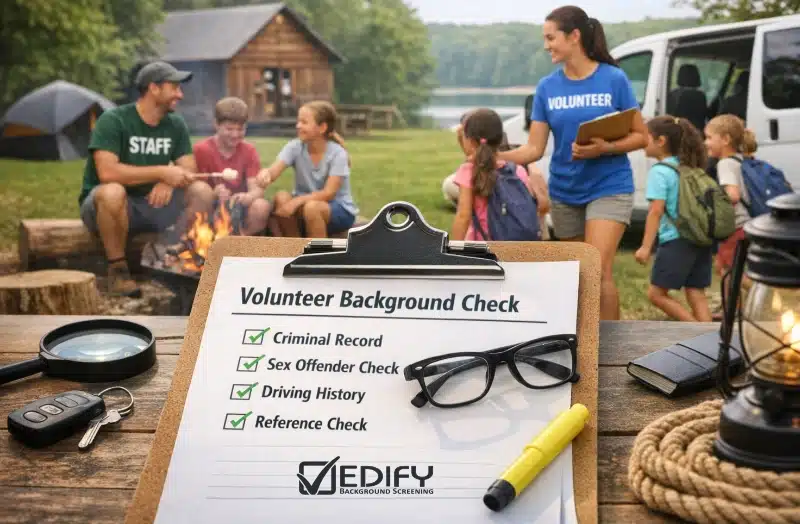
When summer programs start filling up, it is easy to think of volunteer background screening as a lighter version of employee screening. But that usually misses the real issue. In many nonprofits and churches, the volunteer leading a cabin, driving a van, helping with child check-in, or staying overnight on a retreat may carry more day-to-day trust than a paid staff member who never works directly with participants. That is why smart leaders treat background checks as part of role design, not just paperwork.
If you are planning summer camps, VBS, youth programs, retreats, mission trips, or community outreach events, the best question is not “Are they paid?” The better question is “What access does this person have, and how closely are they supervised?” Once you answer that, the right level of screening gets a lot easier to choose.
What to Know Before Summer Starts
- Risk follows access, not pay.
- Recurring youth-facing roles usually need more than a basic volunteer screen.
- If a role includes overnight stays, transportation, or care for vulnerable adults, background screening should usually go deeper.
- A background check helps, but it works best alongside training, supervision, and clear boundaries.
Why volunteer roles are not automatically lower risk
A volunteer role can look simple on paper and still carry real risk in practice. The issue is not whether someone receives a paycheck. The issue is whether they have direct access to children, youth, or vulnerable adults, whether they are trusted in lower-supervision settings, and whether they are responsible for safety, transportation, or money.
Think about the difference between a paid office assistant who never interacts with campers and a volunteer cabin helper who is present during meals, free time, evening activities, and lights-out. One role may be paid, but the other clearly carries more access and more responsibility. The same is true for volunteers who lead small groups, handle child release, drive participants, or count registrations and donations.
Overnight programs raise the stakes even more. If your summer program includes cabins, hotel stays, mission trips, retreats, lock-ins, or any role where an adult stays overnight with children, youth, or vulnerable adults, that role should be treated as high risk. Overnight settings usually mean more trust, more private moments, more responsibility, and fewer natural safeguards than a public daytime event.
Takeaway: The right question is not “Are they paid?” It is “What can they access, and how closely are they supervised?”
Match the background check to the role, not the title
You do not need to screen every volunteer exactly the same way. In fact, that can waste money on low-risk roles and undershoot the roles that matter most. A simple three-level approach is usually enough for most churches and nonprofits.
Basic background screening for low-risk, supervised volunteers
This level often fits one-day or occasional roles that stay in public view and close supervision. Think setup teams, hospitality helpers, kitchen volunteers working in open areas, or event support roles that do not involve one-on-one access to children or vulnerable adults.
For these roles, many leaders start with a simple application, role expectations, basic identity details, and a screening package that matches the lower risk of the assignment. You still want consistency, but you do not need to treat a one-morning snack-table helper the same way you would treat a recurring youth volunteer.
Standard background screening for recurring youth-facing volunteers
This level fits roles like VBS helpers, classroom assistants, summer day program volunteers, youth mentors, and small-group leaders. These volunteers may not stay overnight, but they often build trust quickly and spend repeated time with minors. That repeated access matters.
For these roles, a stronger screening process usually makes sense. That often includes a more complete criminal history review, sex offender registry coverage, and identity or address-based screening steps that help direct where deeper searches should happen. This is also a good place to require training, written boundaries, and a signed code of conduct.
If you serve churches, role-based church volunteer background checks can help standardize this process. If you run camps, outreach, or seasonal programming, role-based nonprofit background checks can do the same thing without turning your process into a mess.
Enhanced background screening for high-trust or high-access roles
This level fits the roles that create the most exposure. That includes overnight camp volunteers, retreat chaperones, cabin leaders, trip leaders, drivers, volunteers handling money, and volunteers serving vulnerable adults or adults who need extra care and protection.
This is where screening should usually go deeper. A stronger package may include broader criminal history coverage, driver-related screening for transportation roles, and extra review for any volunteer staying overnight with minors or vulnerable adults. Overnight programs deserve special attention because the setting itself changes the risk.
A national database search can be a helpful pointer, but it should not be the only step for a higher-risk role. For camp-specific planning, the American Camp Association’s background check resources are a useful place to start.
Takeaway: Not every volunteer needs the same check, but every role should be evaluated on purpose.
Real-world summer program examples
Here is where this gets practical. Most leaders do not need a legal lecture. They just need to know what makes sense for the actual jobs in front of them.
| Volunteer role | Why the risk changes | Suggested screening depth |
|---|---|---|
| One-morning event helper | Public setting, close supervision, limited access | Basic |
| VBS classroom helper | Recurring access to children, trust builds quickly | Standard |
| Summer youth mentor | Repeated contact, possible side conversations, influence role | Standard |
| Van driver | Transportation, custody, safety responsibility | Enhanced |
| Overnight camp or retreat volunteer | Late-night access, lower supervision, high trust | Enhanced |
| Volunteer handling registrations, fees, or donations | Access to money, records, or payment information | Enhanced |
A simple way to think about it is this: if the role is public, supervised, and limited, basic may be enough. If the role is recurring and youth-facing, move up to standard. If the role includes overnight access, transportation, money, or vulnerable-adult care, treat it as enhanced.
Need help sorting roles before summer starts? A role-based screening plan helps you protect your program without overcomplicating the process. Start by separating one-day helpers, recurring youth-facing volunteers, and overnight or transportation roles before you choose a package.
A background check helps, but it is not the whole safety plan
A clean report does not automatically mean a volunteer is safe for every setting. Screening is one layer. Good programs also use clear supervision, training, and written expectations so volunteers know what healthy boundaries look like from day one.
That matters even more in summer programs, where things move fast. You may be onboarding a large group in a short window. When that happens, strong process beats gut instinct every time. It is not enough to say, “We know them,” or “They have been around for years.” The goal is not suspicion. The goal is consistency.
A practical safety plan usually includes:
- a written volunteer application
- basic interview or screening questions
- references for higher-trust roles
- clear adult-to-student supervision rules
- a two-adult rule where appropriate
- clear pickup and drop-off procedures
- limits on private texting or direct messaging with minors
- training on boundaries, reporting concerns, and escalation steps
Takeaway: The safest summer programs use screening as one layer, not the whole plan.
Common mistakes nonprofit and church leaders make
The first mistake is using the same screening level for every role. That sounds fair, but it can actually create blind spots. You may end up overscreening low-risk jobs and underscreening the roles that involve overnight stays, driving, or recurring access to kids.
The second mistake is skipping screening because someone is “known to the church” or already connected to the organization. Familiarity is not a screening standard. Neither is a quick Google search. Informal research can be incomplete, inconsistent, and hard to defend if a decision is challenged later.
The third mistake is treating the screening report as the whole decision. A report should inform the process, not replace good judgment, role design, and written policy. If you use a third-party screening company and want a plain-English overview of the process around consumer reports, the FTC’s background check guide is a useful reference.
Takeaway: The easiest way to make screening more effective is to keep it role-based, written down, and consistent from one volunteer to the next.

How to build a simple volunteer screening plan before summer starts
You do not need a giant policy manual to do this well. Most organizations can build a strong summer screening plan with one short document and a few clear decisions.
- List every volunteer role connected to your summer programs.
- Flag which roles work with children, youth, or vulnerable adults.
- Identify any role with transportation, money handling, or overnight responsibility.
- Assign each role to a basic, standard, or enhanced screening level.
- Add supervision and training requirements for each role.
- Decide when returning volunteers will be re-screened.
- Put the whole process in writing and follow it consistently.
That simple exercise can prevent a lot of confusion later. It also helps your staff explain decisions clearly, especially when one volunteer role gets a deeper screen than another. You are not judging people by title. You are matching your process to the level of trust the role actually carries.
Takeaway: A simple written plan usually works better than a complicated policy no one follows.
FAQ
Q: Do one-day summer volunteers need a background check?
A: Yes, but not always at the same depth as a recurring youth-facing role. If the assignment is public, supervised, and limited, a lighter process may fit. The key is to decide that up front and apply it consistently. Next step: sort your one-day roles separately from recurring and overnight roles before summer starts.
Q: Should church and nonprofit volunteers be screened every year?
A: Many organizations set a regular re-screening cycle for returning volunteers, especially those who work with children, youth, or vulnerable adults. The right timing depends on the role, your policy, and your risk tolerance. Next step: add a re-screening timeline to your volunteer policy now, before the season gets busy.
Q: Is a “national database” check enough by itself?
A: No, usually not. Databases can be a useful tool, but overnight, driving, money-handling, and recurring youth-facing roles often call for a deeper approach. Plus, databases are not all inclusive, nor are they truly nationwide, and any information obtained from one must be verified at the originating sources before used in a background check report. Next step: decide which roles in your program should move beyond a basic database-only screen.
Q: Do volunteer drivers need extra screening?
A: Yes, they usually should. Drivers are responsible for transportation, timing, and participant safety, so that role deserves more review than a general event helper. Next step: separate all driving roles into your enhanced category and add motor vehicle search.
Q: What if a volunteer role changes during the summer?
A: Revisit the screening level before the volunteer moves into the new assignment. A person who starts in a public support role may need deeper review before becoming a driver, youth mentor, or overnight chaperone. Next step: build a simple rule that any role change triggers a screening review.
Final thought
Volunteer does not always mean lower risk. In summer programs, the roles with the most trust are often the ones that sit closest to children, teens, vulnerable adults, transportation, and overnight care. That is why the best screening plans are built around access and responsibility, not job titles.
If you want a process that is practical, role-based, and easier to manage, start with your highest-trust roles first. Then build down from there. When you are ready to compare options, review EDIFY’s background check pricing and choose the level of screening that fits your summer program.
Compliance Note
- Use a clear disclosure and written authorization before ordering a third-party screening report.
- Apply the same role-based standards consistently so similar volunteers are treated the same way.
- If a report may lead to a negative decision, follow the required pre-adverse and final adverse action steps for your use case.
Educational information only. For state-specific questions, review your forms and process with qualified counsel.